Posted on
April 3, 2017
by
Leah Reichelt
Part of my Seniors Real Estate Series

The Comox Valley has tonnes of recreation options for people of all ages.
One of the best things about being retired is that you finally have the time to try some new activities or spend more time doing the things you love. And, in fact, studies show that keeping our brains and bodies active goes a long way to ensuring a successful and healthy retirement lifestyle.
Living in the Comox Valley makes it easy to ensure you get the physical, mental and social stimulation you need as you enjoy this new phase of your life.
In speaking with my clients, the area’s multitude of leisure and recreational options is a big part of why so many people choose to retire in the Comox Valley. Well, that and the weather, the location, the nature, the beauty . . .
Here’s a sampling of just some of the many local recreation associations, groups and activities for folks who are 55-plus.
Comox Valley clubs and hobby groups for seniors
Without a doubt, one of the best places to find out about or take part in events, clubs and general goings-on for retirees in the Comox Valley is through the Evergreen Club.
Based out of the Filberg Centre in downtown Courtenay, the club provides leisure activities for those 55 and over. Activities and resources include a computer lab, with training available; special events, such as dinners, dances and presentations; as well as sports & fitness activities, like table tennis, cycling, golf, snooker and more.
Evergreen also offers members a chance to take part in musical pursuits, such as recorder and ukulele clubs, choirs, dances and singalongs. Cards and games, a broad range of hobby and craft clubs – cameras, books, stamps, genealogy – not to mention quilting, knitting, painting and other opportunities ensure there’s something for everyone’s tastes!
For a nominal annual fee, members have a chance to participate is numerous activities, get discounts on trips and special events, receive a monthly newsletter and more. Contact the Evergreen Club directly at 250-338-1000 or visit their website at www.evergreenclub.ca.
D’Esterre House in Comox offers similar recreational pursuits. Located on Beaufort Avenue near the Comox Marina, the club opened in 1975 with ten members and has grown to about 800 current members. With a broad range of clubs and activities including everything from yoga and tai chi to soapstone carving and carpet bowling, it’s no wonder the centre is so popular!
Join in the fun and become a member for $30 a year and you’ll get access to a variety of clubs and activities, as well as food services and the chance to guide the direction of the Association as a member of the Board of Directors. Contact them at 250-339-5133 or through their website www.comoxseniors.ca. And make sure to check out their monthly newsletter and activity schedule.
Volunteering
 For some people, retirement means the opportunity to give back to the community and volunteering is the perfect avenue. Not only is volunteering in the Comox Valley a great way to meet people and make a difference, but it provides a means to develop or build upon skills and knowledge.
Whether you live in Comox, Courtenay or Cumberland, there are organizations that would love to make the most of your volunteer contributions. Volunteer Comox Valley is a quick and convenient way to see what openings are out there. Be sure to check out their community directory, events calendar, training and educational opportunities and volunteer registry.
Recreation rules in the Comox Valley
Keeping active keeps you younger – so maybe that’s why recreation rules. Whatever your background or interests, the local recreation centres have got you covered. Simply click on the links in this sentence you’ll get connected to Comox, Courtenay and Cumberland recreation facilities and programs. Find out about all the different ways you can keep involved in community while promoting your own health and well-being.

And if you still haven’t found something that suits your own particular interests or skill levels, grab a copy of the Comox Valley Recreation Guide and have a look in the Community Directory on the last couple pages. There you’ll find a comprehensive listing of scores of clubs, organizations, groups and services. While the listing isn’t available online, the recreation guides are available at the all the community recreation facilities.
As a Comox Valley Realtor for 25 years, I know that recreation, volunteer and leisure activities are a great way to quickly feel like you’re part of your new community – and our region certainly has plenty of options! Hopefully this resource will help make a move to the Valley easier for you, your family or friends.
Buying, selling or considering your options? Please feel free to contact me about any aspects of Comox Valley living. Visit my website to look at other informational blogs or find out more about my experience and qualifications as a Seniors Real Estate Specialist®. Keep up to date with current listings and make sure to check out my Facebook page. And, finally, don't forget to download my new guide, Seller Guidebook – Information for Home Sellers.



 Low inventory and levelling of prices mark end of a busy 2017
 January: resolve to get active
  And what an opportune time to reacquaint yourself with the local craft breweries and award-winning wineries. Visit them on your own or sign up for
  Find out how to sell your home faster for the price you want
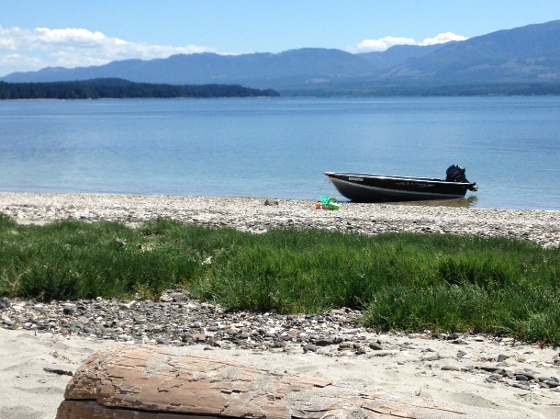 A home can be fixed or up-dated, but when it come to a piece of property, what you see is what you get. If the water is mucky and the property stays in the shade all day, there’s not much that can be done. Love the location and you’ll be set.
 Pros and cons of reverse mortgages
 A Realtor’s perspective on buying real estate that makes a profit
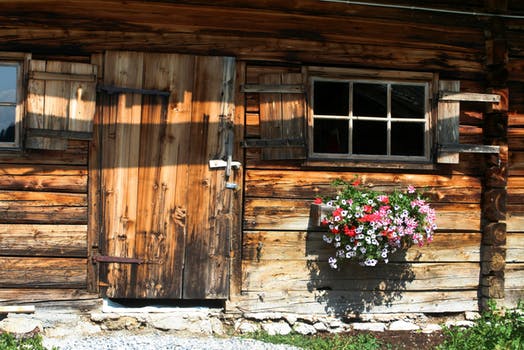 Beware the fixer-upper. It may be worth getting something that you’re willing to put the time, money and effort into when you will be the one living there; however, fixing something up for other people to enjoy is a whole other proposition. And along those lines . . .
 Figure out what you want for a projected income. Of course, you want a good return, but you need to know what your minimum is – likely at little more than what you need to cover the monthly mortgage payment. That then determines what you want to rent something for and if that figure is realistic. Many people go with the “One-Percent Rule” in that case. For example, if you buy a property for $300,000 with a $20,000 downpayment, you should aim for getting around $2,700 to $3,200 a month in rent. Of course, much depends on your location and the local rental availability. It’s also a good idea to talk with your banker or mortgage professional to discuss the purchase of an investment property and run the numbers with them.
 While all agents work for their client, those with the SRES designation have specific training in working with seniors and dealing with senior issues in a compassionate, understanding way. You can expect a no-pressure approach and we will take the necessary time to explain the process step by step. As an SRES® agent, I understand there is often an emotional toll when selling a home and will do my utmost to minimize stress and alleviate any anxiety.



 #1. Start the process early (and often)
 #5. Get ruthless in the kitchen and the garage
 #9. Think vertical
 Whether you’re looking for info on
 Condominiums – a good fit for many
-560-wide.jpg) If this
If this  A round-up of cultural activities, festivals, recreation and more
 Where to begin? Well,
  As residents know, there are always abundant recreational opportunities throughout the year in the Comox Valley. Summertime fun means getting back in the water, be it in a kayak, on a kite-board, stand-up paddleboard, windsurfer, canoe or just floating around on your back amongst the gentle waves.
  Speaking of food, the award-winning

 While finding a family doctor can be a challenge in some Vancouver Island communities, this is not typically the case in the Comox Valley. Often your own physician, family friends and relatives will make suggestions, but if you don’t have any recommendations, visit the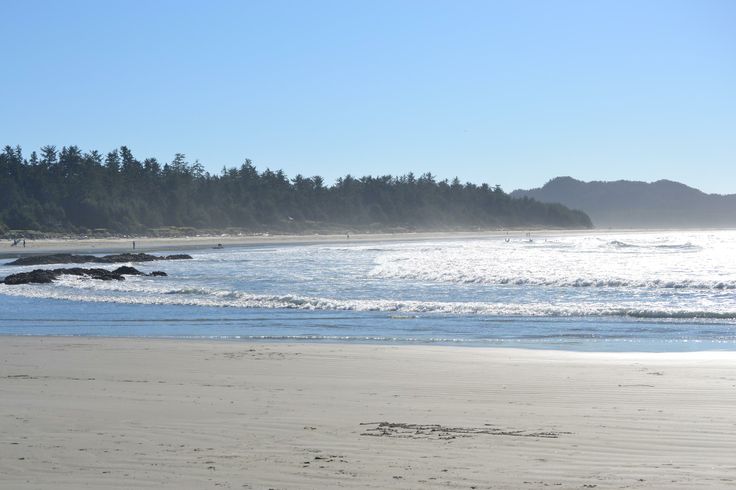
 Inventory continues to be a challenge for Comox Valley Realtors